Dead, Dead or Deader: read the RTP before the first spin
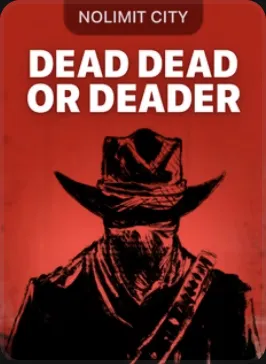
Dead, Dead or Deader is a Nolimit City slot on five reels and three rows with 243 ways to win. Two facts define it. Its volatility is rated extreme, so the gap between a quiet session and a memorable one is huge. And its RTP is configurable: 96.09% is the published figure, but the game can be delivered in other settings, and the version you load decides the long-run return you are actually playing against. That makes the info panel the first stop, before any talk of features.
At a glance
| Item | Value |
|---|---|
| Studio | Nolimit City |
| Type | Video slot |
| Layout | 5 reels, 3 rows, 243 ways |
| RTP | 96.09% published; configurable, so check the info panel |
| Volatility | Extreme |
| Maximum win | 19,349x the stake |
| Features | Multiplier wilds, free spins |
Why configurable RTP matters
Studios often ship one title in several RTP versions, and the operator picks which one goes live. The reels, symbols and features look identical across versions; the difference sits in the maths and only shows up over thousands of spins. A difference of a few percentage points does not change what one evening looks like, but it does change how much of every hundred units staked the game is built to keep. Open the game, find the information or rules screen and look for the stated return to player. If the number shown is lower than 96.09%, you are playing a lower configuration, and it is reasonable to factor that into whether you play this title or another one.
How the game works
With 243 ways, any symbol that appears on adjacent reels from the leftmost reel pays, whatever its row. Base-game wins are mostly small and keep the balance ticking over. The real weight of the game is in the free spins round, where wilds carrying multipliers can land and combine with ways wins. When a multiplier wild sits on a winning way, the payout is multiplied, and several of them in the same spin multiply each other's effect. The paytable inside the game explains how the round is triggered and which multipliers are possible.
Extreme volatility and a realistic budget
Extreme is the top of the volatility scale. In practice it means many sessions end without a feature at all, and a feature that does arrive can still pay little. If you play it, size the stake for a long session: when one spin costs one unit, think in hundreds of units, not dozens. Decide a stop point for losses and a stop point for wins before you start, because the moments after a large hit are exactly when people give it back. The 19,349x maximum is a ceiling the maths allows, not a level a session should be planned around.
Demo play: what to test first
If the lobby offers a demo, use it for two checks. First, read the info panel in the demo and in the real-money version and compare the RTP lines; demos sometimes run a different configuration from the live game, so the real-money panel is the one that counts. Second, play a few hundred demo spins at a fixed stake and note how many of them return anything and how long it takes to see the feature. Expect the numbers to be uncomfortable; that is what extreme volatility looks like on screen.
Bonus play and Dead, Dead or Deader
High and extreme volatility slots appear regularly on lists of restricted games in bonus terms, and some offers cap the stake per spin at a level that makes a feature-driven game slow to wager through. Check whether this title contributes to wagering, at what percentage, the maximum bet allowed with an active bonus, and whether buying a feature is permitted while wagering. Our wagering guide shows how a reduced contribution multiplies the amount you need to play through.